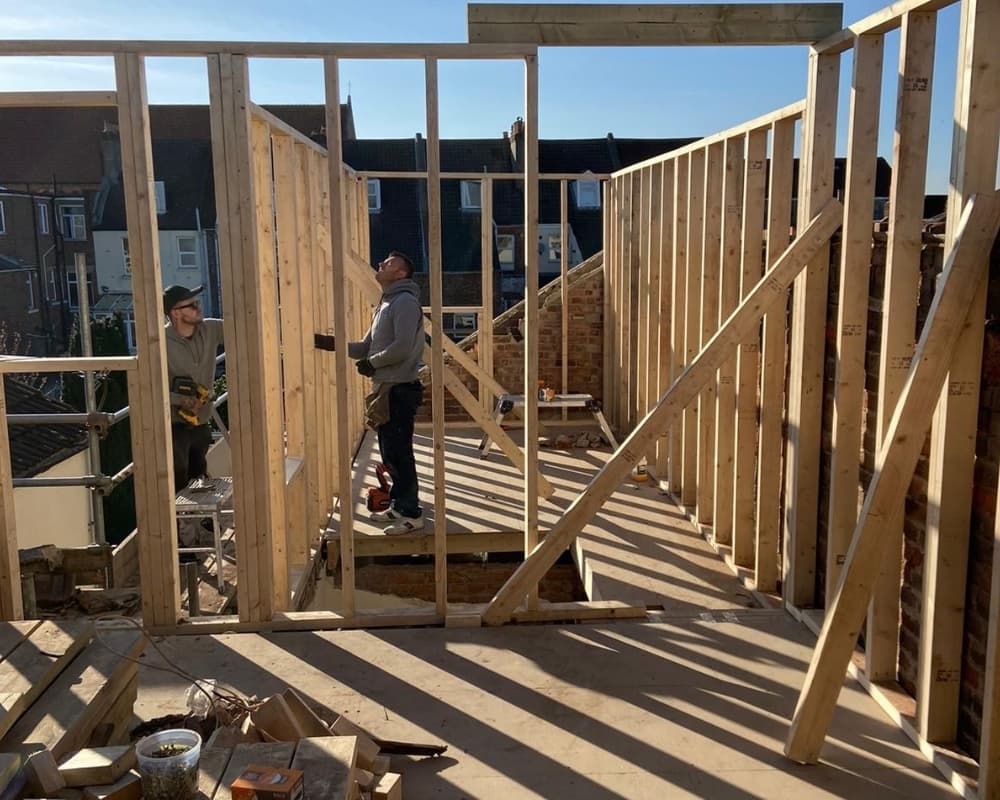
Funding a £1M+ GDV Multi-Unit Freehold Block with 70% LTV Plus 100% Build Finance

Sam Andrews
Property Finance Broker
We helped an experienced investor secure development funding for a multi-unit freehold block in Bristol with 70% LTV on purchase and 100% of build costs funded, targeting a GDV of over £1 million.
We helped an experienced investor secure development funding for a multi-unit freehold block (MUFB) in Bristol — unlocking a project with a gross development value (GDV) of over £1 million. This case study covers how we arranged 70% LTV on purchase and 100% of build costs funded, with a lender experienced in MUFB developments.
The Challenge
Our client had identified a strong development opportunity in a sought-after Bristol location. To make the project viable, they required a funding solution that covered both acquisition and development costs without committing excessive personal capital. Key challenges included:
- High project costs — Funding was needed for both the purchase and extensive refurbishment.
- Complex property type — MUFBs have more limited lender appetite and differing valuation methods compared to standard residential properties.
- Capital efficiency — The client wanted to maximise leverage based on the project's expected GDV.
What the Client Needed
- Purchase finance at a competitive LTV to reduce upfront capital commitment
- Full funding for the development and refurbishment works
- A lender experienced with MUFBs and comfortable with the property type
- A structure that maximised leverage based on the projected GDV
Our Approach
- 70% LTV on purchase — We arranged funding at 70% loan-to-value, reducing the client's upfront contribution and helping to preserve liquidity for other projects.
- 100% of build costs funded — With a clear build plan, strong valuation, and demonstrated investor experience, the lender was able to finance the full development budget, subject to their due diligence.
- Specialist lender match — We introduced a lender experienced in MUFB developments, where valuations consider the asset's income-generating potential in addition to standard property metrics.
- Exit planning — We planned the exit strategy from the outset, with the intention of arranging a limited company buy-to-let mortgage to refinance the bridging loan once works were complete.
Key Considerations
If you are considering a multi-unit freehold block development, here are some factors to bear in mind:
- MUFB lender appetite — Not all lenders are comfortable with MUFBs. The property type involves multiple units within a single freehold, which creates different risk and valuation considerations compared to a standard residential property.
- Valuation approach — MUFBs can be valued on a bricks-and-mortar basis, an investment basis (reflecting rental income), or a residual basis (reflecting GDV). The valuation approach affects the amount you can borrow.
- GDV-based lending — Some lenders will structure their facility based on the projected GDV rather than the current value. This can significantly increase the total funding available but requires a credible build plan and realistic GDV estimate.
- Planning and building regulations — MUFB developments often involve changes of use, subdivisions, or extensions that require planning permission and building regulations approval.
- Exit route — The exit strategy for an MUFB development typically involves refinancing onto a commercial or buy-to-let mortgage, or selling individual units. The exit route should be planned from the start.
Outcome
Both acquisition and development finance were secured, allowing the client to move forward without delay. The completed scheme targets a GDV of over £1 million, delivering a high-quality multi-unit asset in a strong rental area. By structuring the finance to reflect the asset's future value, the client retained capital for future opportunities while expanding their portfolio. Once works are complete, we will be assisting with arranging the limited company buy-to-let mortgage to refinance the bridging loan and support a smooth exit.
Frequently Asked Questions
What is a multi-unit freehold block?
A multi-unit freehold block (MUFB) is a single freehold property containing multiple self-contained units, such as flats. The owner holds the freehold and can let each unit separately, generating multiple income streams from a single asset.
What is GDV?
GDV stands for gross development value. It is the estimated value of a property or development once all works are complete. Lenders use GDV as one of the key metrics when assessing development finance applications.
Why do MUFBs have limited lender appetite?
MUFBs involve multiple units within a single freehold, which creates different risk considerations. Valuation can be more complex, and not all lenders have the expertise or appetite for this property type. A specialist broker can help find lenders who are comfortable with MUFBs.
Can I hold an MUFB in a limited company?
Yes. Many investors hold MUFBs within limited company structures. Buy-to-let mortgages and commercial mortgages are available for limited company borrowers, though criteria may differ.
What does 100% of build costs funded mean?
It means the lender covers all of the refurbishment or development costs. Funds are released in stages as works progress, typically verified by a monitoring surveyor. The borrower does not need to fund the works from their own resources.
How do I choose the right lender for an MUFB development?
The right lender depends on the project's specifics — including the property type, location, scope of works, your experience, and the exit strategy. A specialist broker with access to development finance lenders can match you with the right option. Visit our development finance page for more details.
Next Steps
If you are planning a development or portfolio expansion — whether it involves MUFBs, HMO conversions, or other property projects — get in touch to discuss how we can structure the finance to support your strategy. You can also learn more about how we work.
Need specialist finance?
Provide Finance can connect you with accredited specialists who focus on this type of property finance.
Explore Finance Options