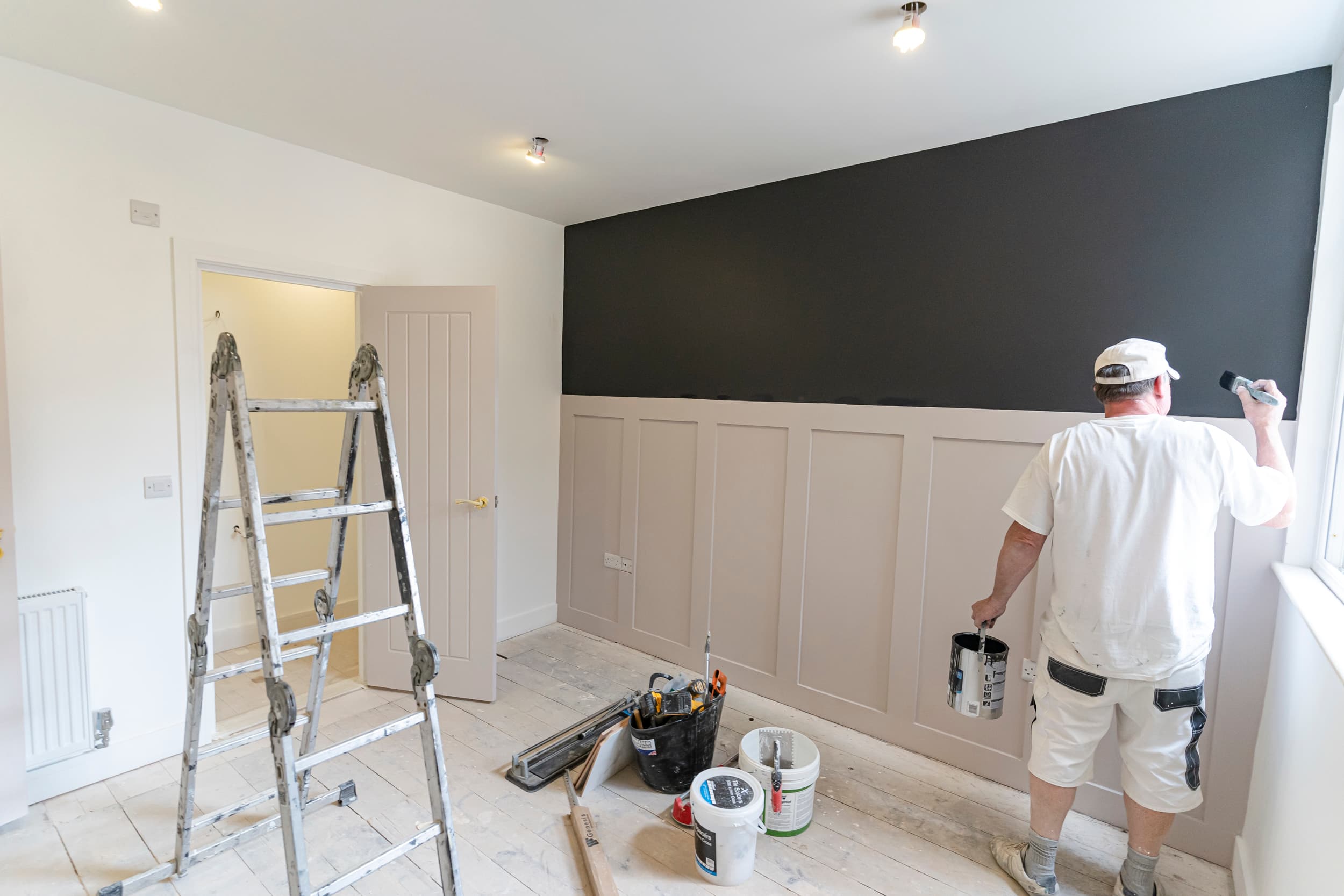
First-Time Landlord Converting a 1-Bed Flat into a 2-Bed Property

Sam Andrews
Property Finance Broker
We supported a first-time landlord who purchased a one-bedroom flat to convert into a two-bedroom property, securing 75% LTV on purchase and 100% of build costs.
We recently supported a first-time landlord who purchased a one-bedroom flat with the goal of converting it into a two-bedroom property. With no prior landlord experience, securing the right funding structure and guidance was key to making this project possible. This case study covers how we arranged 75% LTV on purchase and 100% of the build costs.
The Challenge
This was the client's first investment property. They needed both purchase finance and development funding to cover the conversion works, and they wanted to minimise financial risk and time spent on bridging finance. As a first-time landlord, they also needed clear guidance on how the process would work from start to finish.
What the Client Needed
- Purchase finance for their first investment property
- Funding to cover the full conversion from a 1-bed to a 2-bed flat
- A structure that minimised their cash outlay and financial risk
- Support and communication throughout the project
- An exit mortgage arranged early to reduce time on bridging finance
Our Approach
- 75% LTV on purchase — We secured funding at 75% loan-to-value on day one, reducing the client's upfront capital requirement.
- 100% of build costs funded — We arranged for all of the conversion works to be covered, so the client did not need to fund the refurbishment from their own resources.
- Regular communication — We maintained close contact with the client throughout the project to keep everything on track and address any questions as they arose.
- Early exit mortgage application — We prepared the exit mortgage application early to reduce the time the client spent on bridging finance, minimising interest costs.
Key Considerations
If you are a first-time landlord considering a property conversion, here are some points to keep in mind:
- Planning permission — Converting a 1-bed into a 2-bed may require planning permission depending on the nature of the works and the local authority. Check this before committing to a purchase.
- Building regulations — Any structural works will need to comply with building regulations. This includes minimum room sizes, fire safety, and ventilation requirements.
- Valuation on completion — The exit mortgage will be based on the property's value after conversion. Ensuring the works add genuine value is important for the refinance to work as planned.
- First-time landlord lender appetite — Not all lenders will work with first-time landlords. A specialist broker can identify those that will, and help present the application in the strongest way.
- Leasehold considerations — If the property is a flat, it may be leasehold. Check whether the lease permits the planned works and whether freeholder consent is needed.
Outcome
The property conversion was fully funded with 75% LTV on purchase and 100% of build costs arranged. The process was managed from start to finish with regular communication and the exit mortgage application prepared early to reduce time on bridging finance. The structure allowed the client to move forward with confidence on their first investment property.
Frequently Asked Questions
Can a first-time landlord get development finance?
Yes. While some lenders prefer experienced investors, there are options available for first-time landlords, particularly for smaller-scale projects like flat conversions. A broker can help find the right lender.
What does 75% LTV mean?
LTV stands for loan-to-value. A 75% LTV loan means the lender provides 75% of the property's value (or purchase price), and the borrower provides the remaining 25% as a deposit.
How is 100% of build costs funded?
The lender provides a build facility that covers all of the refurbishment or conversion costs. Funds are typically released in stages as works progress, verified by a monitoring surveyor.
What is an exit mortgage?
An exit mortgage is the longer-term mortgage used to repay the bridging loan once the works are complete. It is typically a buy-to-let mortgage based on the property's new value and rental income.
How long does a 1-bed to 2-bed conversion usually take?
Timescales vary depending on the scope of works, but a typical flat conversion might take several weeks to a few months. Having the finance arranged in advance helps avoid delays.
Do I need to be a landlord to get a buy-to-let mortgage?
Some lenders require prior landlord experience for buy-to-let mortgages, while others accept first-time landlords. Your broker can advise on which lenders suit your profile.
Next Steps
If you are planning your first property investment or conversion project, we can help structure the finance and guide you through the process. Get in touch to discuss your plans, or explore our development finance and refurbishment finance pages.
Need specialist finance?
Provide Finance can connect you with accredited specialists who focus on this type of property finance.
Explore Finance Options