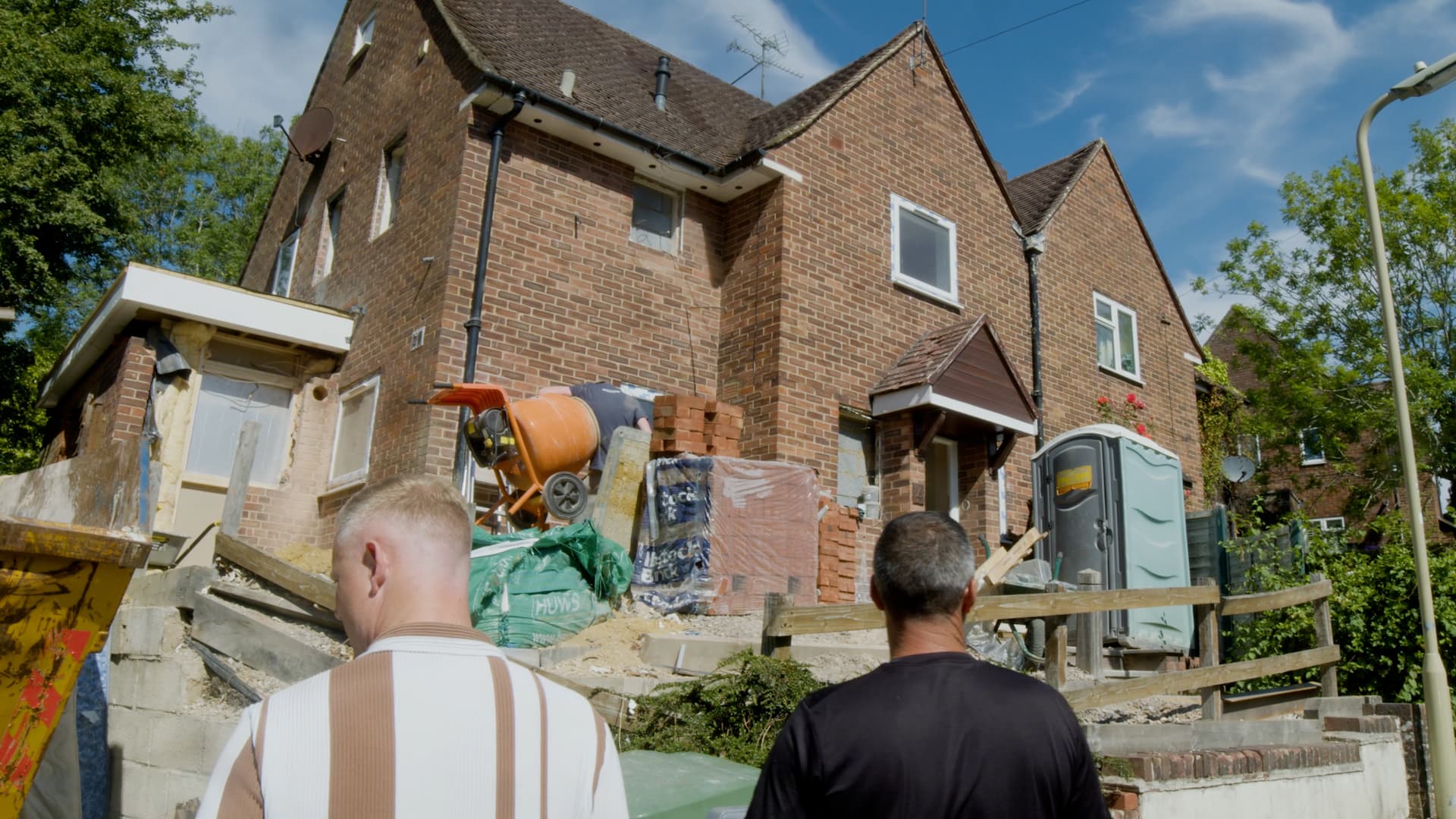
Bridging Loan for First-Time Landlord Converting a Property into a 6-Bed HMO

Sam Andrews
Property Finance Broker
We completed a bridging loan for first-time landlords acquiring a property for conversion into a 6-bed HMO, with 100% of refurbishment costs funded.
We completed a bridging loan for new clients entering the market as first-time landlords, acquiring a property for conversion into a 6-bed HMO. This case study outlines the challenges first-time landlords commonly face when seeking HMO finance and how we structured a solution that covered both the purchase and the full refurbishment costs.
The Challenge
First-time landlords often face a steeper path to securing HMO finance. Many lenders prefer borrowers to have at least one to two years of landlord experience before they will consider lending against multi-let properties. This creates a barrier for new investors who have identified a strong opportunity but lack a track record.
In this case, our clients had no prior landlord experience and were looking to purchase a property to convert into a 6-bed HMO. They needed a funding structure that would allow them to complete the purchase, carry out the full refurbishment, and exit onto a term mortgage once works were finished.
What the Client Needed
- A bridging loan to fund the purchase of the property
- A build facility covering 100% of the refurbishment costs
- Confidence that a viable refinance exit onto a BTL HMO mortgage would be achievable once the conversion was complete
- A clear plan for their next acquisition, which was already in the pipeline
Our Approach
Structuring finance for first-time landlords entering the HMO market requires careful planning. Here is how we approached this project:
- Demonstrating a viable exit — Before finalising the bridging facility, we presented a clear case to the bridging lender showing that a BTL HMO refinance exit would be achievable. This gave both the lender and the client confidence that the loan could be repaid on schedule.
- Arranging the bridging facility — We secured a bridging loan for the purchase alongside a build loan covering 100% of the refurbishment costs, so the clients could proceed without needing to fund the works separately.
- Planning the refinance early — The term refinance was arranged alongside the works to ensure a smooth exit once the conversion was complete, reducing the overall time spent on bridging finance.
- Forward planning — With their next acquisition already secured, we began structuring the bridging for that purchase so they would be ready to move as soon as this property was refinanced.
Key Considerations
If you are a first-time landlord considering an HMO conversion, here are some factors worth thinking about:
- Landlord experience requirements — Many lenders have minimum experience thresholds for HMO mortgages. Understanding this early helps avoid surprises at the refinance stage.
- Exit strategy — Bridging lenders want to see a clear and realistic plan for repaying the loan. Having a mortgage in principle or a mapped-out refinance route strengthens the application.
- Refurbishment scope — Accurately scoping the works and ensuring the build facility covers the full cost prevents funding gaps mid-project.
- Licensing and planning — HMO licensing rules vary by local authority, and some areas require planning permission for HMO use. Checking this before committing to a purchase is essential.
- Professional support — Working with a broker who understands bridging finance and the HMO market can help align every element of the deal from the start.
Outcome
We arranged the bridging facility for the purchase alongside a build loan covering 100% of the refurbishment costs. The term refinance was arranged alongside the works to ensure a smooth exit once complete. With their next acquisition already secured, we began structuring the bridging for that purchase so the clients would be ready to move as soon as this property was refinanced.
Frequently Asked Questions
Can first-time landlords get a bridging loan for an HMO?
Yes. While some lenders have restrictions, there are bridging lenders who will work with first-time landlords, particularly where a clear exit strategy is demonstrated.
What is a build facility?
A build facility is a loan that covers refurbishment or conversion costs. Funds are typically released in stages as works progress, and the facility sits alongside the main purchase loan.
How do you demonstrate a viable refinance exit?
This usually involves obtaining a mortgage in principle from a term lender or presenting evidence that the completed property will meet the criteria of lenders who offer HMO mortgages.
Do I need landlord experience to get an HMO mortgage?
Many HMO mortgage lenders require at least one to two years of landlord experience. However, some lenders are more flexible, and a broker can help identify options that suit your circumstances. Learn more on our HMO finance page.
What is the difference between a bridging loan and a mortgage?
A bridging loan is short-term finance, typically lasting 6 to 18 months, used to fund a purchase or project quickly. A mortgage is long-term finance used to hold a property. Bridging is often used as a stepping stone before refinancing onto a mortgage.
Can refurbishment costs be included in a bridging loan?
Yes. Many bridging lenders offer a separate build facility alongside the main loan, which can cover part or all of the refurbishment costs.
Next Steps
If you are a first-time landlord exploring HMO finance, or need a bridging loan for a property conversion, we are happy to discuss your options. Learn more about how we work or get in touch to talk through your project.
Need specialist finance?
Provide Finance can connect you with accredited specialists who focus on this type of property finance.
Explore Finance Options